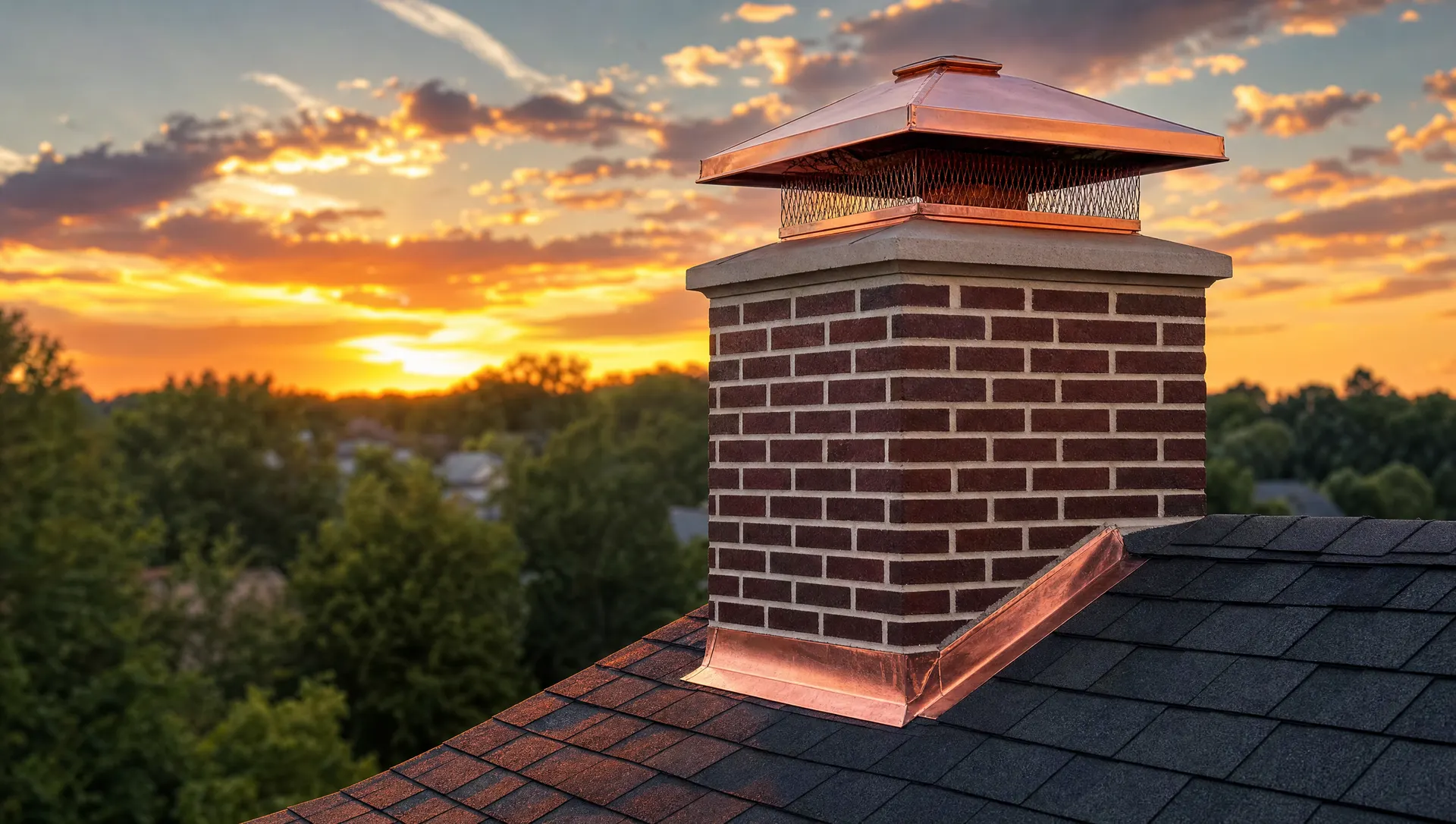
Chimney Inspections in Sedalia, MO
Here's a habit worth breaking: judging a chimney's condition by whether the last fire in it smoked properly. A chimney can vent smoke just fine while the crown is cracked, the flue liner has hairline damage, and the mortar three feet up is one more winter from falling apart. Function and condition are not the same thing, and the only way to actually know which one you're dealing with is to look.
Sedalia Chimney Repair provides chimney inspections for homes and businesses across Sedalia and Pettis County — before burn season, after storm damage, before buying or selling a home, or just because it's been a while.
What a Chimney Inspection Covers
A real inspection looks at the chimney as a full system, not just the parts you can see from the yard:
- Exterior masonry — brick condition, mortar joint condition, and any visible cracking, leaning, or separation from the house
- The crown — checking for cracks, proper slope, and whether it's still doing its job of shedding water
- The cap and flue opening — confirming a cap is present, intact, and properly sized, and checking for animal activity or nesting
- Flashing — the seal where the chimney meets the roof, checked for gaps, rust, and lifted sections
- The flue interior — looking for creosote buildup, obstructions, and damage to the liner itself
- The firebox and damper (for wood-burning fireplaces) — checking for cracked firebrick and a damper that opens, closes, and seals properly
- Interior signs of trouble — water stains, discoloration, or damp spots on walls and ceilings near the chimney's path through the house
The goal is a clear, honest picture of condition, not a checklist reason to sell you work you don't need.
Why Sedalia Chimneys Need Regular Eyes On Them
A lot of the chimneys in and around Sedalia are old enough that "it's always been fine" isn't actually based on anyone checking recently. The brick and masonry from the town's late-1800s and early-1900s building boom have been through well over a century of Missouri's freeze-thaw winters, and that kind of long-term exposure doesn't announce itself with a dramatic failure. It shows up as a mortar joint that's a little softer than last year, a crown with a hairline crack nobody's climbed up to see, a cap that quietly rusted through sometime in the last decade.
Newer homes aren't exempt either. A chimney only a couple of decades old can still develop crown cracks, flashing failures, or liner damage, especially after a hard storm, a lightning strike nearby, or simply from being built with materials that weren't matched well to Missouri's climate swings in the first place. An inspection is the only way to tell the difference between a chimney that's actually fine and one that just hasn't shown you the bad news yet.
When to Get a Chimney Inspected
Some occasions call for it more than others:
- Before the first fire of the season, especially if it's been more than a year since the last inspection
- After any storm with high wind, hail, or a nearby lightning strike
- Before buying a home, so you know what you're inheriting rather than finding out mid-winter
- Before selling a home, so a buyer's inspection doesn't surprise you with a repair negotiation
- If you've noticed any of the common warning signs — water stains, a cracked crown, missing mortar, animal sounds in the flue
- Simply because it's been years and nobody actually remembers the last time it happened
None of these require something to already be visibly wrong. An inspection is exactly how you find out before it gets to that point.
What a Chimney Inspection Typically Costs
Cost depends on the depth of inspection needed:
- A standard visual inspection, covering the accessible exterior, crown, cap, and interior signs of trouble, typically runs in the low hundreds of dollars
- A more thorough inspection involving flue-interior camera work, often warranted after a chimney fire, a home purchase, or visible interior damage, typically costs more than a standard visual check
- Inspections bundled with an existing repair or cleaning visit are often less than a standalone inspection call
An inspection is nearly always less expensive than the repair it might catch early, which is the entire point of getting one done before a problem announces itself with a water stain or a smoke-filled room.
What happens if the inspection finds a problem?
You get a plain explanation of what's wrong, what it means for safe use of the fireplace in the meantime, and what it would take to fix. Nothing gets decided on the spot — you get the information and you decide what to do with it. If repair is needed, our chimney repair, tuckpointing and masonry repair, crown and cap repair, and flashing and leak repair pages cover the specific fixes in detail.
Do I need an inspection if I don't use my fireplace?
Yes, if the chimney is still standing and connected to the house. An unused chimney doesn't stop being exposed to weather, and a flue that isn't venting a fireplace can still be a path for water into the house, or a place animals decide to move into undisturbed. An inspection tells you whether an unused chimney needs repair, needs to be capped off properly, or just needs monitoring.
How is an inspection different from a chimney sweep?
A sweep cleans creosote and debris out of the flue. An inspection assesses the condition of the structure itself: brick, mortar, crown, cap, flashing, and liner. They often happen on the same visit, but cleaning a flue doesn't tell you whether the crown is cracked, and inspecting a chimney doesn't remove the creosote buildup inside it. Both matter, for different reasons.
Get a Free Assessment
If it's been years since your chimney was actually looked at, or something happened recently that has you wondering, tell us what's going on and we'll help you get a clear answer.
Need Help in Sedalia Right Now?
Tell us what you need and we'll get back to you fast with a free, no-pressure quote.