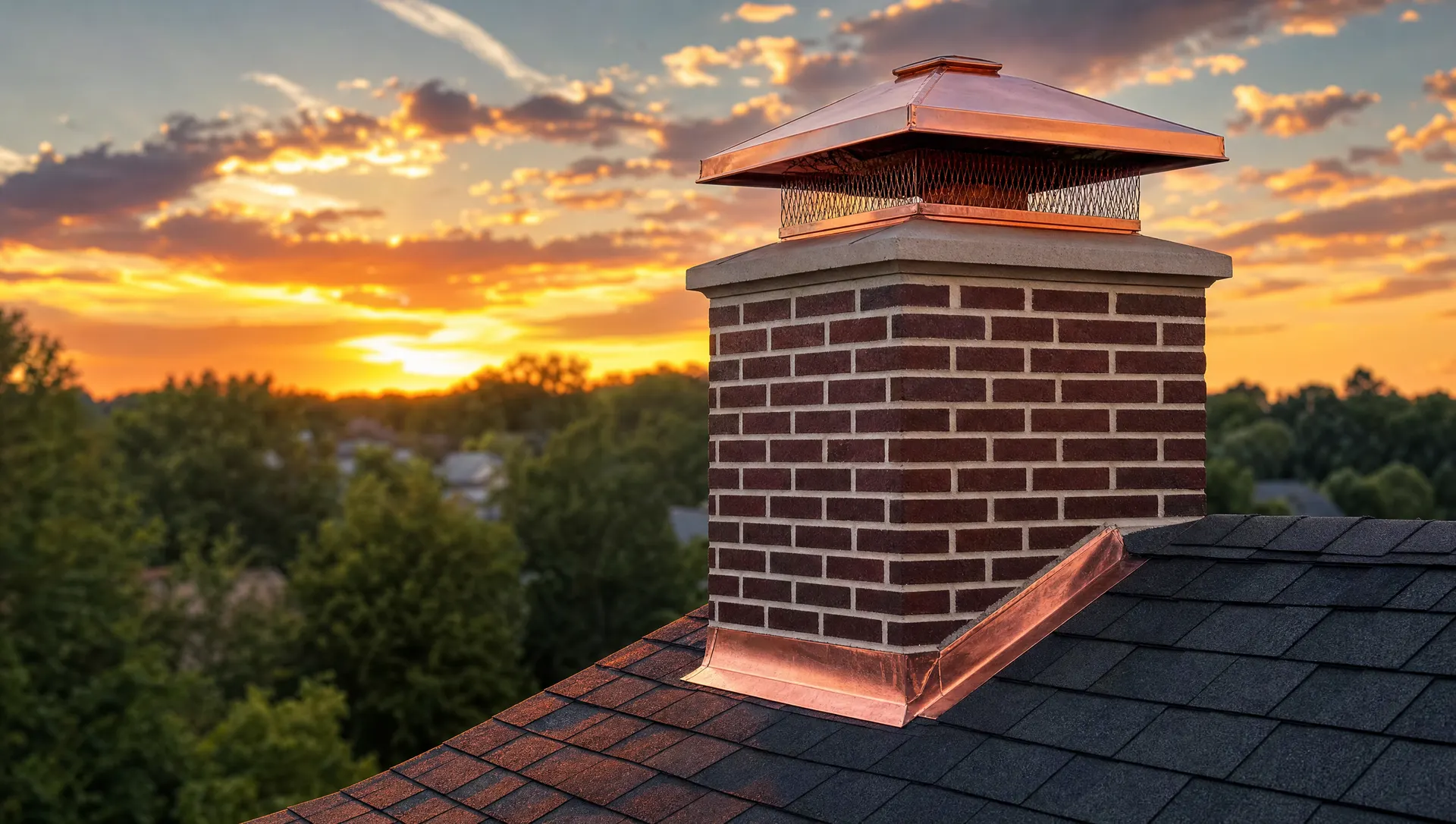
Tuckpointing & Masonry Repair in Sedalia, MO
Mortar is supposed to wear out. That's not a flaw in how chimneys are built — it's the design. Mortar is softer than brick on purpose, so it takes the damage from water, freezing, and time instead of the brick itself. Tuckpointing is simply replacing that worn mortar before the brick starts taking hits it was never meant to take. In a town with as much older masonry as Sedalia, it's one of the most common repairs there is.
Sedalia Chimney Repair provides tuckpointing and broader masonry repair for chimneys across Sedalia and Pettis County, matched to the mortar and brick actually used in the structure — not a one-size-fits-all mix.
What Tuckpointing & Masonry Repair Covers
Tuckpointing is the headline service, but "masonry repair" covers the related work that often comes with it:
- Repointing — grinding or chiseling out deteriorated mortar to a consistent depth and packing new mortar into the joint in thin, compacted layers
- Mortar matching — mixing new mortar to a strength and composition appropriate for the existing brick, which matters more than most homeowners expect (more on this below)
- Brick repair and replacement — addressing individual bricks that are cracked or spalling alongside the mortar work
- Surface cleaning — removing efflorescence, staining, and old failed sealants so the new work bonds properly and looks right
- Structural repointing — addressing wider masonry issues where deteriorated mortar has let the chimney shift slightly, not just lose its finish
Most chimneys don't need every joint redone. Repointing is usually targeted at the sections — often the top few feet, which take the brunt of the weather — that are actually failing.
The process itself follows a fairly consistent order regardless of chimney size: old mortar gets cut out to a clean, consistent depth (going too shallow leaves weak mortar behind; going too deep risks the surrounding brick), the joints get cleaned of dust and debris so the new mortar actually bonds, and fresh mortar goes in packed tight in thin layers rather than one thick pass. The final step is tooling the joint to match the profile of the surrounding original mortar, which matters more for water shedding than most people expect — a poorly tooled joint can hold water against the brick instead of directing it away.
Why Mortar Matching Matters on Older Sedalia Homes
This is the part of tuckpointing that separates a repair that lasts from one that causes new problems. Sedalia has a lot of masonry from its railroad-boom years in the late 1800s and early 1900s, and homes and buildings from that era were typically built with soft, lime-based mortar. Modern mortar mixes are usually much harder, built around portland cement for strength and speed.
Here's the problem: if you repoint a soft old lime-mortar chimney with hard modern mortar, you've just built a joint that is stronger than the brick around it. Mortar joints are supposed to be the sacrificial part of the wall — the piece that absorbs the stress of moisture and freeze-thaw movement so the brick doesn't have to. When the mortar is harder than the brick, that relationship flips. The brick becomes the weak point, and it starts spalling and cracking instead of the mortar wearing down the way it's supposed to. On a hundred-year-old Sedalia chimney, using the wrong mortar can do more damage over the following decade than leaving the old, worn mortar alone would have.
When to Call for Tuckpointing
The signs are fairly consistent from chimney to chimney:
- Mortar joints that look recessed compared to the brick surface, rather than flush with it
- Mortar you can scratch out with a fingernail or a key
- Small chunks or crumbs of mortar collecting in the gutter, on the roof, or at the base of the chimney
- Visible gaps or missing sections between bricks
- A chimney that looks noticeably more weathered on one side, usually the side that catches the most wind-driven rain
- Water stains inside the house near the chimney, which often trace back to mortar that's let water travel further than it should
Catching it at the "recessed and crumbly" stage is a straightforward repointing job. Waiting until whole sections are missing usually means more extensive work, and sometimes brick replacement on top of the mortar itself.
What Tuckpointing & Masonry Repair Typically Costs
Pricing generally comes down to how much of the chimney needs new mortar and how accessible it is. As a general guide:
- Spot repointing of a small, isolated section typically runs a few hundred dollars
- Repointing a full chimney stack typically lands in the low-to-mid thousands, depending on height, brick type, and how deep the old mortar has to be cut out
- Adding brick replacement alongside repointing increases the cost, since it's a slower, more careful process than mortar work alone
- Chimneys that need scaffolding or lift access for height cost more than ones that are easily reachable
The honest range is wide because chimney height, condition, and mortar type all move the number in different directions. We give a real figure after seeing the actual chimney.
Is tuckpointing the same as repointing?
Yes — the terms are used interchangeably in the trade. Both describe removing deteriorated mortar and replacing it with fresh mortar packed into the joint.
How long does repointing last?
Done correctly, with mortar matched to the existing brick, repointing on a well-maintained chimney can last for decades. The mortar is designed to be the part that wears down over time, so "lasts forever" was never the goal — lasting a long time while protecting the brick around it is.
Can tuckpointing fix a leaning chimney?
Sometimes it's part of the fix, if the lean is caused by deteriorated mortar allowing slight movement between courses of brick. A more significant structural lean usually needs a broader look — see our chimney repair page for the wider range of structural fixes.
Does new mortar mean I won't need tuckpointing again?
Not permanently — mortar is designed to wear before the brick does, so some future repointing is normal maintenance rather than a sign anything went wrong. What proper mortar matching buys you is decades between repairs instead of a handful of years, and it protects the brick itself from taking damage it was never supposed to absorb. Keeping an eye on the crown and cap at the same time helps too, since a chimney shedding water properly from the top puts a lot less stress on the mortar below it.
Get a Free Assessment
If your chimney's mortar looks crumbly, recessed, or you're finding chunks of it on the ground, tell us what you're seeing and we'll help you figure out what it needs.
Need Help in Sedalia Right Now?
Tell us what you need and we'll get back to you fast with a free, no-pressure quote.